There was no decision, no symbolic moment, no quiet promise to myself about slowing down or reconnecting or anything of that sort.
I wore them on the first afternoon because that’s what you do when you arrive somewhere new. You walk around, you orient yourself, you try to look like you’ve already worked out how the place functions. I remember thinking the estate felt close-knit in a practical way – not small by any means, but compact enough that everything seemed to flow into the next thing without effort.
By the following morning, it felt faintly ridiculous to put shoes on just to walk a few steps to breakfast. The distance from my room to the outside world was short, intuitive, almost incidental. Shoes started to feel unnecessary, so I left them behind.
By the third day, I couldn’t have told you where they were.
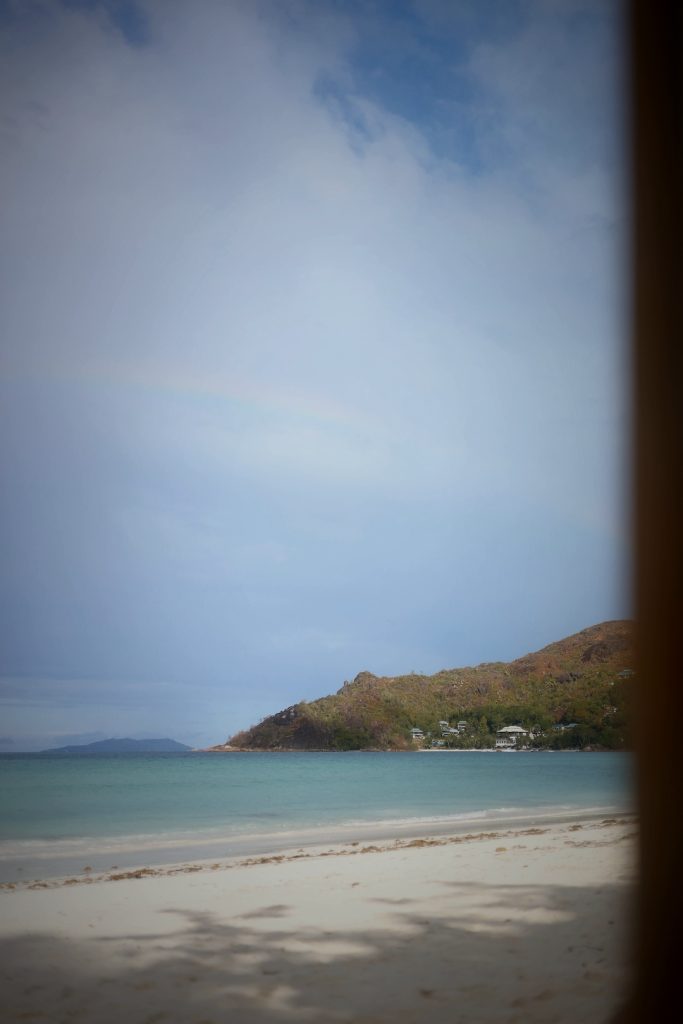
La Cigale Estate sits directly on Côte d’Or Beach on the north-eastern coast of Praslin, set back just enough to feel private, but close enough that the sea is always present – visible, audible, quietly constant.
But the first real sense of the place comes before you even notice the water.
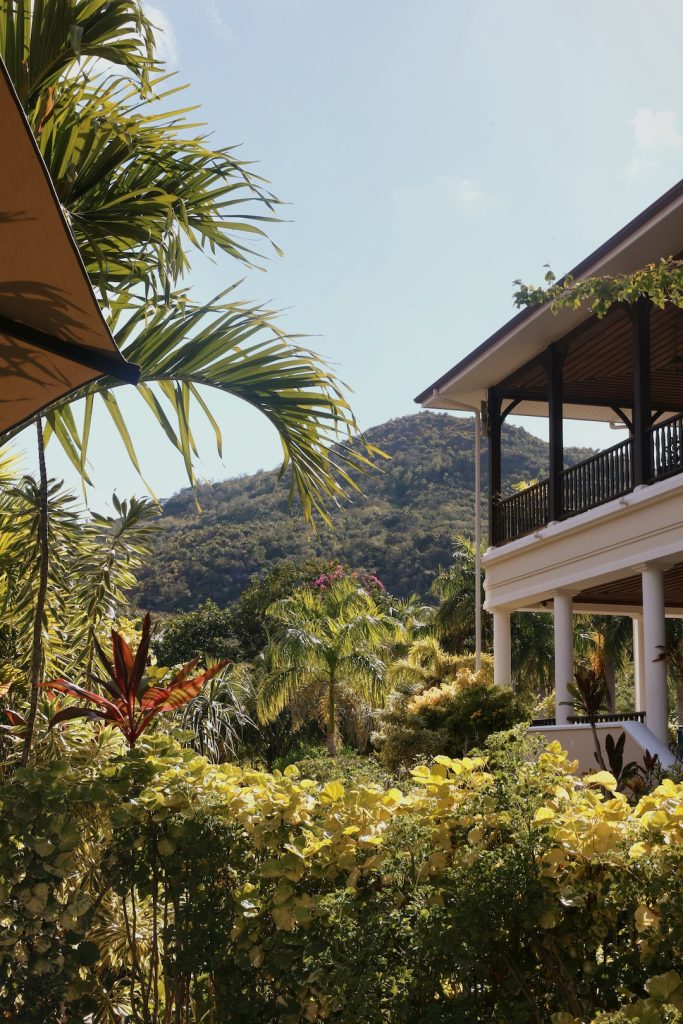
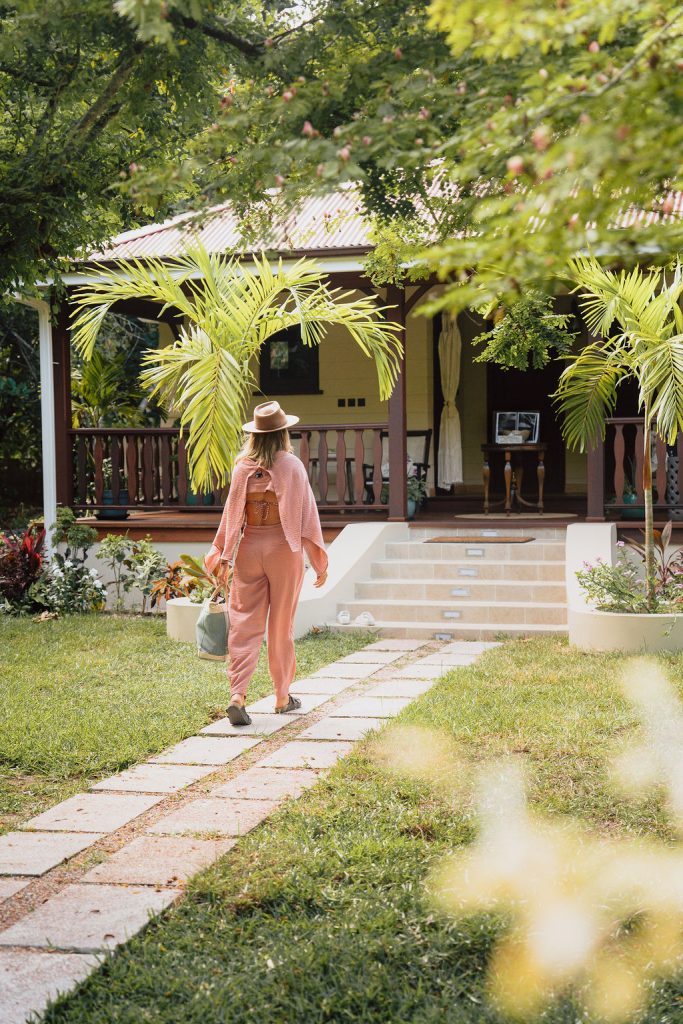
You arrive through gates and move slowly up a long driveway lined with palms, the house revealing itself in stages rather than all at once. It’s a recalibration moment. The main house is plantation-style, a conscious decision by the owners, Christophe Houareau and his family, to preserve the architectural language of the islands rather than impose something more contemporary or generic. It feels rooted and confident, generous in scale without being showy, as though it belongs exactly where it stands. A house with the quiet authority of a place that already knows its own story.
For all its polish, though, there’s nothing formal about the way you are expected to move through it. No one asks you to take your shoes off. And yet, almost without noticing, you do.
Later, you understand that this was always the intention, to build a family home first, not a hotel, and to let everything else follow from that.
Only after that do you fully register that La Cigale is taken exclusively as a full buy-out, a decision that quietly shapes everything that follows. There’s a beautiful welcome, of course, and a gentle introduction to the house, but no prescribed schedule or formal explanation of how your days should unfold. We were shown around as if the place belonged to someone we vaguely knew, and then given space – not in the sense of being left alone, but in the sense of not being managed.
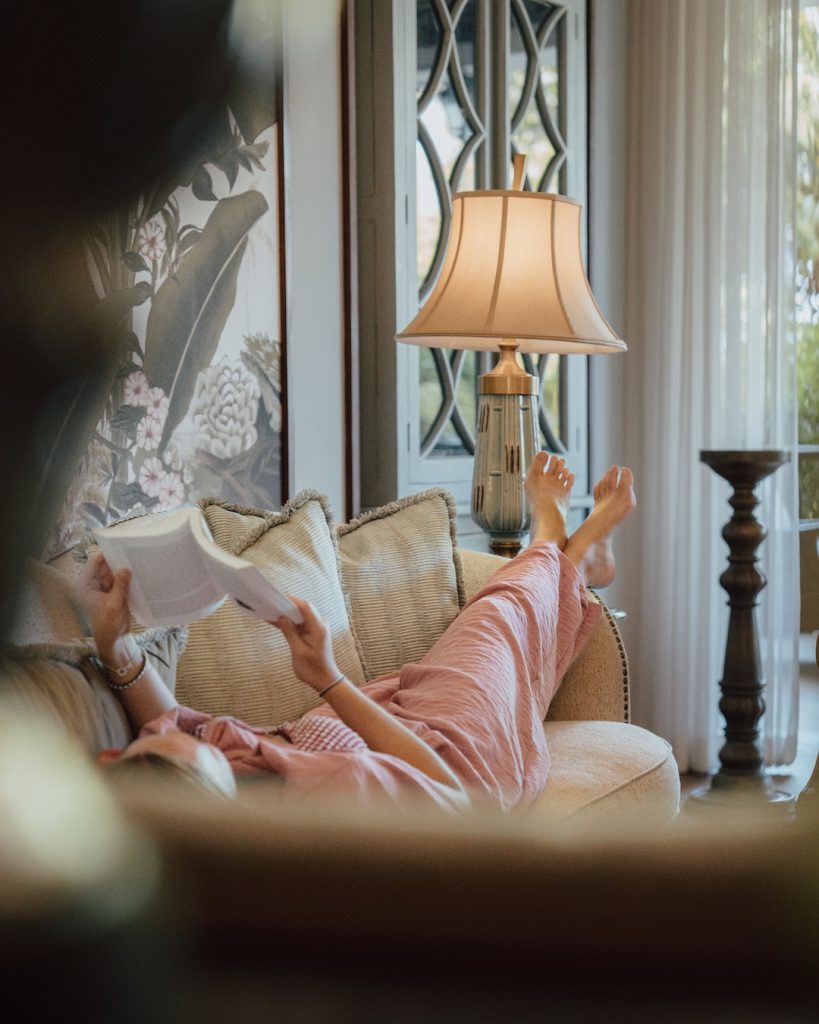
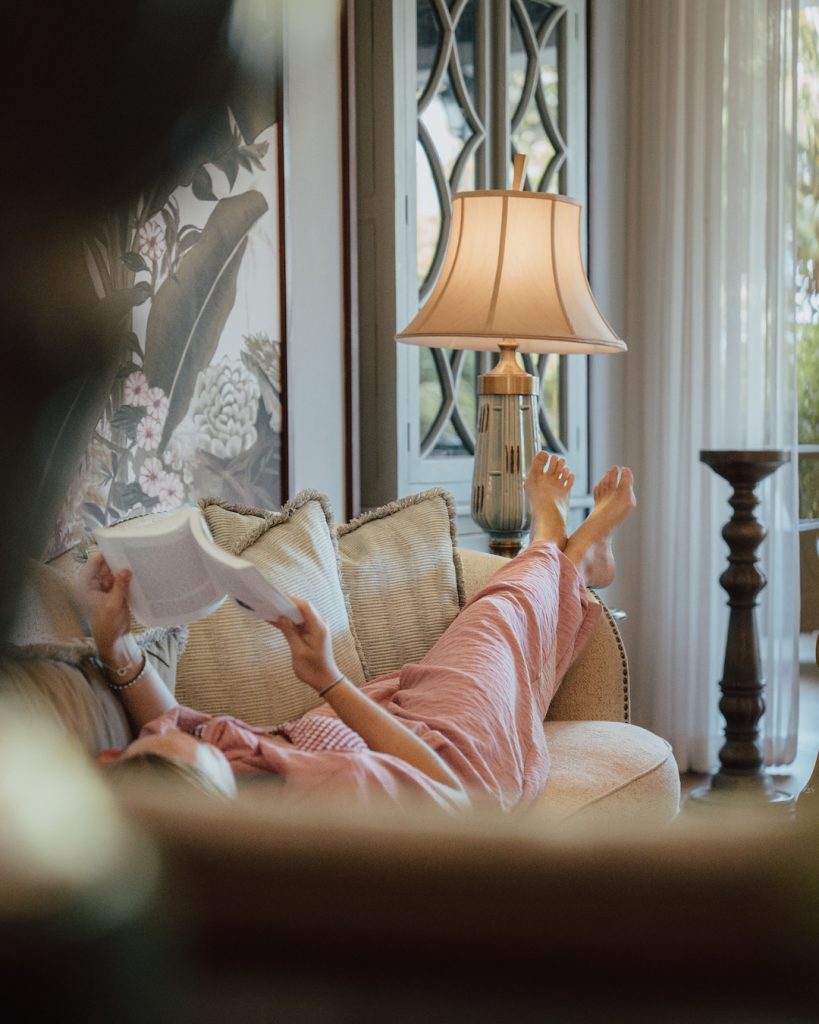
It means the house becomes exactly that: yours. Shoes end up abandoned by the pool, books left open on armchairs, sunglasses migrating from terrace to garden without anyone keeping track. There are no other guests, no passing traffic through shared spaces, nothing to monitor or manage. Someone will eventually notice where your things have landed – just not you.
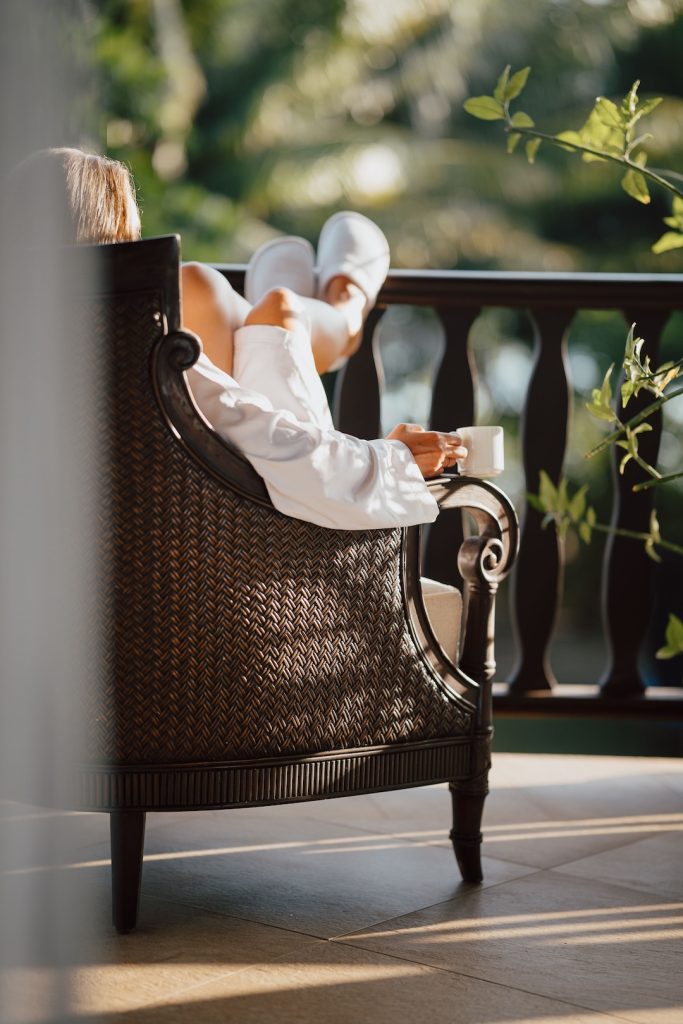
Wide verandas run the length of the house, blurring any clear boundary between rooms and landscape. Doors are left open as a matter of habit rather than hospitality, and air moves freely through the spaces. Inside and outside stop feeling like separate ideas very quickly. It’s a house that expects you to drift rather than move with purpose – which, in hindsight, explains why the shoes never came back into play.
The bedrooms in the main house are individual in colour, layout and detail – four-poster beds, freestanding baths, generous showers – each opening onto the verandas, doors often left wide to welcome the first light of the morning, the scent of the gardens, and the gentle chorus of the birds that seems to arrive with the dawn. Privacy here doesn’t come from shutting things away; it comes from space, confidence and a certain trust in the setting.
There are subtle nods throughout to the family’s maritime roots too – in names, symbols and small details that quietly echo a history shaped by the sea.
The garden suites offer a contrast. More relaxed. More beach-led. Folded into greenery rather than elevated above it. From my suite, I stepped straight onto decking, past a small plunge pool and into dense planting that led down towards the garden, and very soon after – the sand. Each has an outdoor shower – something I took enthusiastic advantage of – and the whole layout encourages a slower, more tactile way of moving through the day. Barefoot didn’t feel like a choice; it felt like the only sensible response.
I liked the balance between the two. The main house feels expansive and assured; the suites feel informal and quietly indulgent. Moving between them, depending on how the day felt, became part of settling in.
Several butlers are looking after the house guests, though “butler” feels like the wrong word. It’s closer to having a friend quietly on your side all week – someone who learns your habits without asking, who notices what you gravitate towards, and who remembers details you didn’t realise you’d shared. The service isn’t scripted or performative. It’s anticipatory, personal, and deeply human.
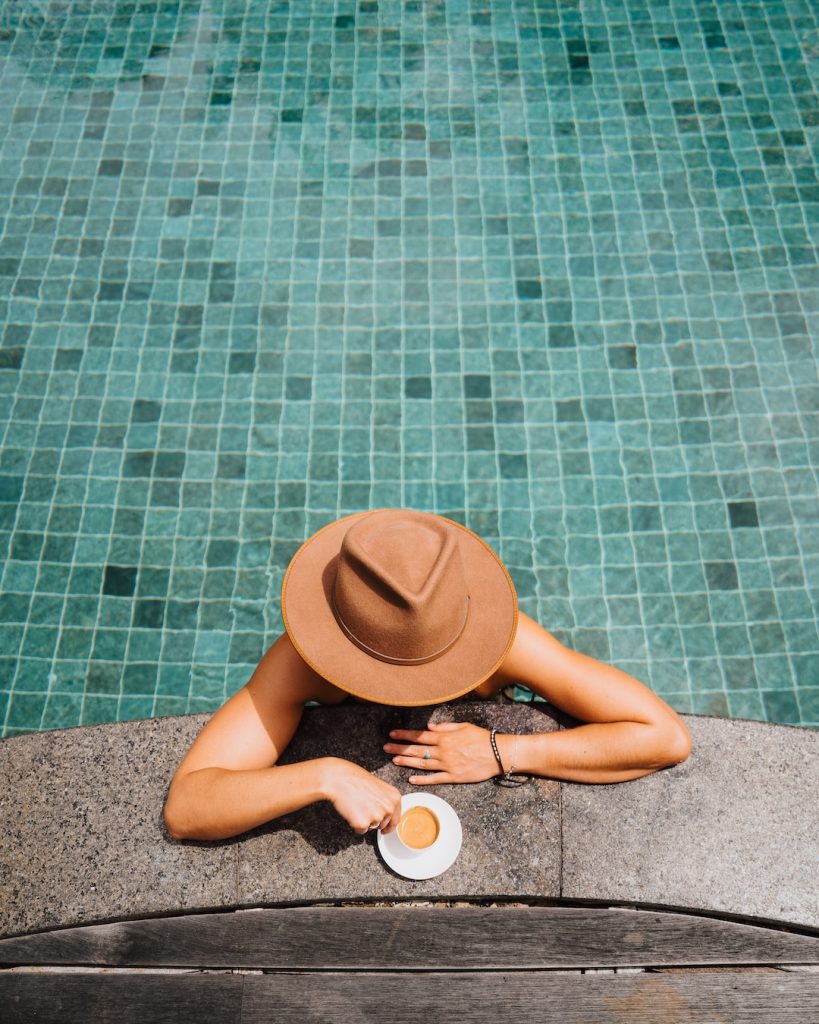
On the first morning, I woke with the light and the birds. Seychelles fodies, to be exact, small flashes of red moving quickly through the garden, occasionally hopping straight into my room as if checking I was awake. I showered outside without thinking about it, drank coffee on the terrace, and watched the beach come into focus properly as the day settled.
It was only later that I realised I hadn’t checked the time once.
That wasn’t accidental.
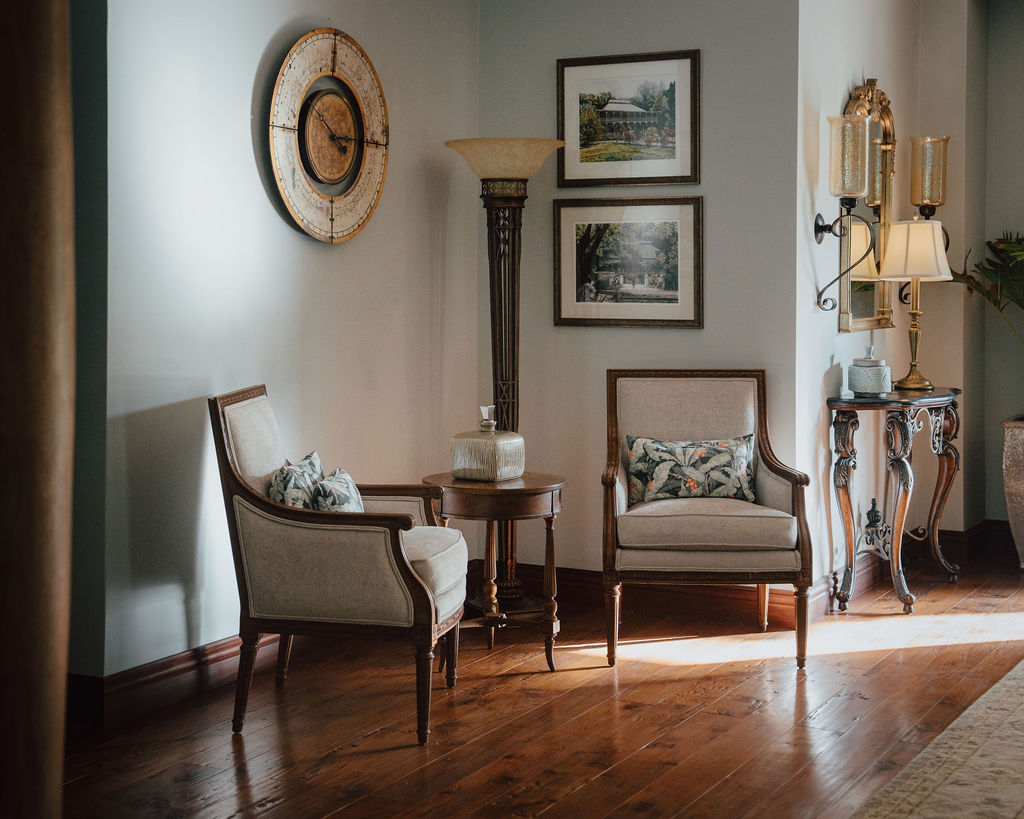
Scattered throughout the house are clocks – wooden, brass, Roman-numeralled – all set to different times. They’re not broken. They’re not decorative accidents. Christophe and his father placed them deliberately, an invitation to let go of precision. Technically, they’re all correct twice a day, but that’s beside the point. The message is clear: time matters less here.
Early on, someone asked what we liked to drink. Wine was mentioned. Cocktails. Spirits. When it came to me, I said cider – not making a point, not expecting it to be available. There wasn’t any. It genuinely didn’t matter. I can drink anything. I forgot about it almost immediately.
A couple of hours later, I was on the beach when one of the team came down and handed me a drink – a cider. Not just any cider – a Savanna cider, which anyone who knows me will recognise as my absolute favourite. No explanation. No comment. That evening, I walked past the pool bar and noticed the fridge had been quietly stocked with a whole selection of different ciders.
No one checked if it was right. No one waited for a reaction. It simply appeared.
That was the true moment I understood how La Cigale operates.
You don’t ask twice. In fact, you rarely need to ask at all. Not because the team is trying to impress you, but because their instinct is practical rather than performative. If something can be done, it’s done quietly, without ceremony, and without turning it into a moment you’re expected to acknowledge.
This isn’t service designed around systems or scripts. It’s service built on memory. And that, to me, is the clearest definition of real luxury.
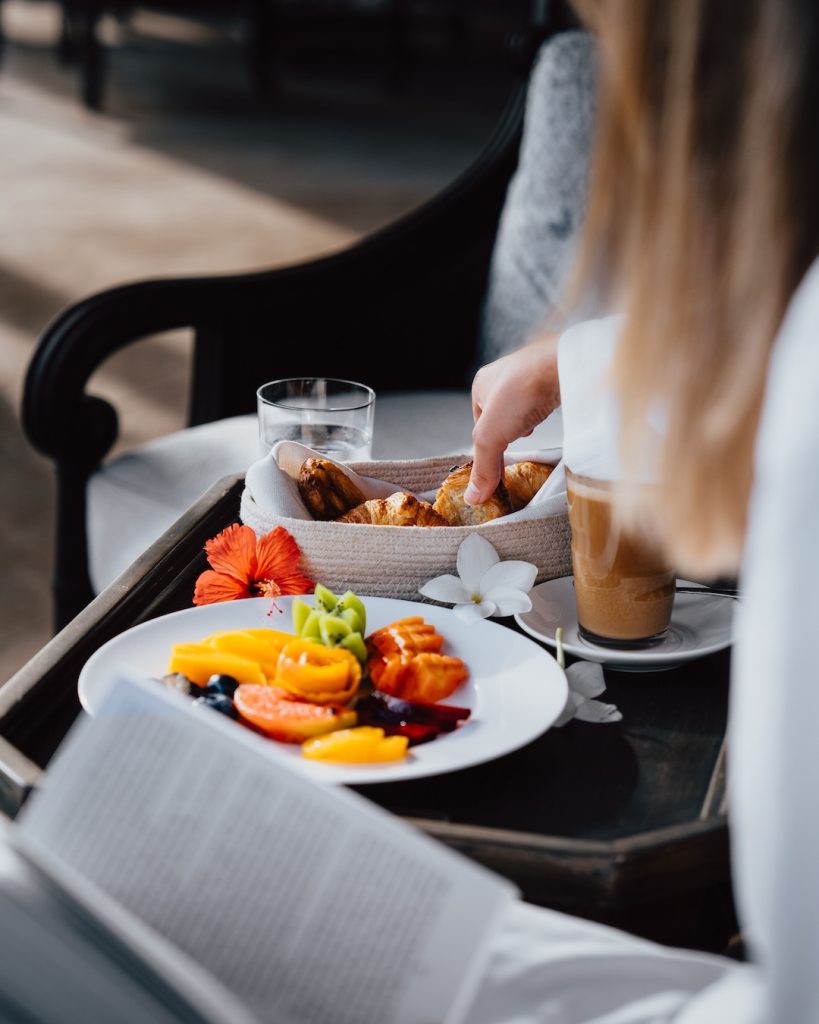
Breakfast followed the same logic. There were no menus, just conversations. What time did you wake up? What did you feel like eating? Where would you like to sit? The answers carried forward without needing to be repeated. Coffee arrived the way you liked it. Breakfast appeared where you’d eaten it the day before. If you moved, it followed. The looseness isn’t accidental – fewer fixed systems allow the kitchen and team to adapt daily, minimise waste, and work around people rather than rules.
What struck me wasn’t efficiency so much as intuition. Things happened before they became requests. Preferences didn’t feel logged; they felt remembered.
La Cigale is owned by a Seychellois family and run (almost) entirely by a Seychellois team, and that matters in ways that go beyond branding. The family’s commitment to land, heritage and long-term stewardship shows up everywhere – in the architecture, in the sourcing, in the way local culture is treated as something lived rather than displayed.
The team didn’t hover or perform warmth. They laughed properly with each other, the kind of easy familiarity that comes from people who know one another well and enjoy working together. There was a sense that they took genuine pride in hosting, moving quietly through the house with the confidence of people who understand it intimately. It felt less like staff serving guests and more like people welcoming you into a place they care about.
Mornings became my favourite time of day. Light arrived early and gently, and I would wander through the open house and gardens before the world woke. The Seychelles is greener than I had imagined possible – dense, excessive even – and the colours never seemed to settle into familiarity. The blues stayed improbably blue. The sand, impossibly soft.
From almost anywhere on the estate, the geography makes itself known. Behind the house, the land rises sharply into a dense green mountain. In front, the gardens taper gently towards the beach and the open sea. It creates a feeling of being anchored – not enclosed, but held – with nowhere else your attention needs to go.
It wasn’t that there wasn’t a plan – it’s that the plan adjusted to you. Within a day, the team seemed to understand how you were feeling, whether you wanted to be active or slow, social or quiet, and the days bent around that without ever making it obvious they were doing so.
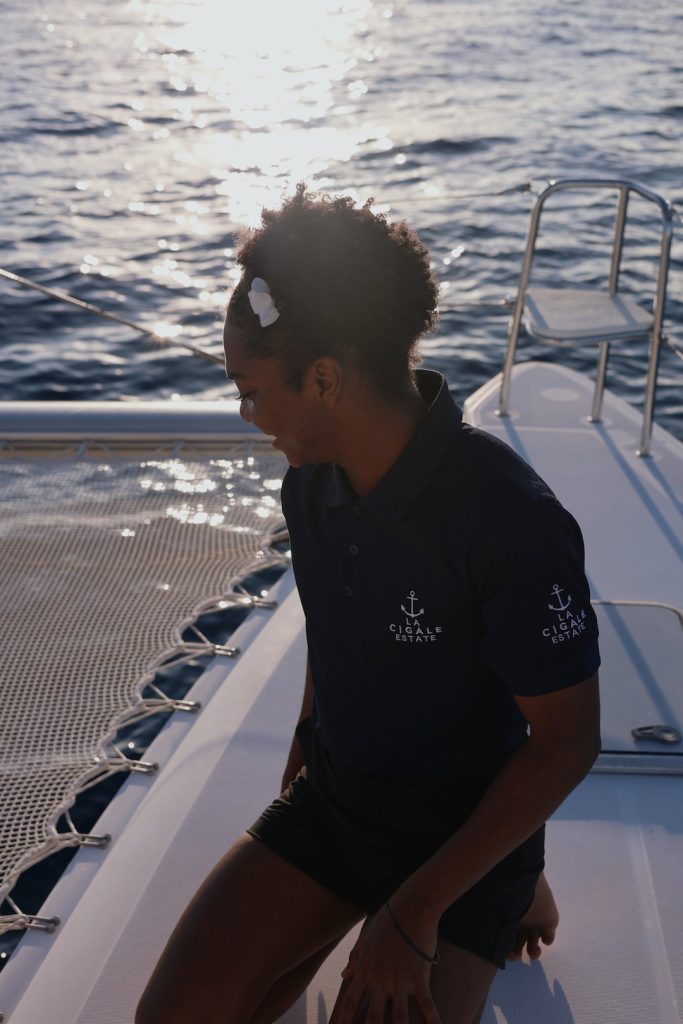
One day, we went out on the boat. It wasn’t framed as an excursion or an activity; we just left. The coastline slid past, familiar and unfamiliar at the same time. We stopped where the water looked good and jumped in. Climbed back out. Jumped in again. At one point, we swam towards a beach that looked closer than it was. Someone shouted something about losing a bikini. There was a lot of laughing, swallowing seawater, and reapplications of suncream.
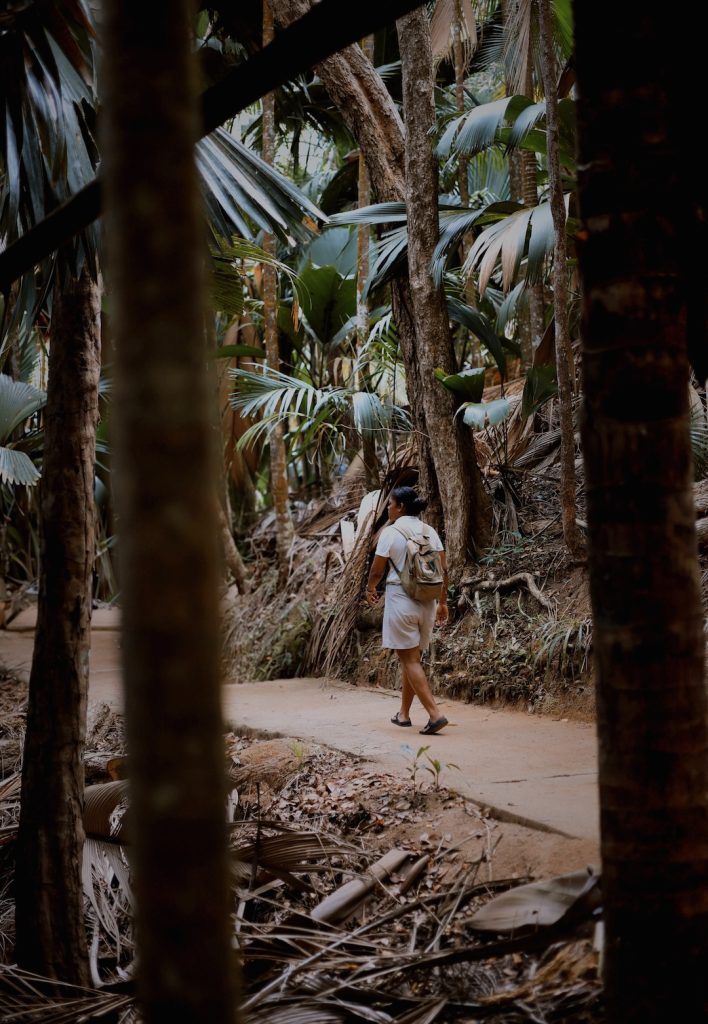
Another day took us inland, into the Vallée de Mai. The forest there feels prehistoric – dense, green, heavy with sound. The kind of place that makes you instinctively lower your voice even if you don’t know why. It’s the only place on earth where all six endemic palm species of the Seychelles grow together, including the famous coco de mer.
Our guide explained the difference between the male and female palms – their shapes, their roles – with a factual dryness that made the inevitable humour land naturally. The female seed, famously sculptural, is the largest in the plant kingdom. The male, slimmer and upright, plays its part quietly. Interpret that however you like.
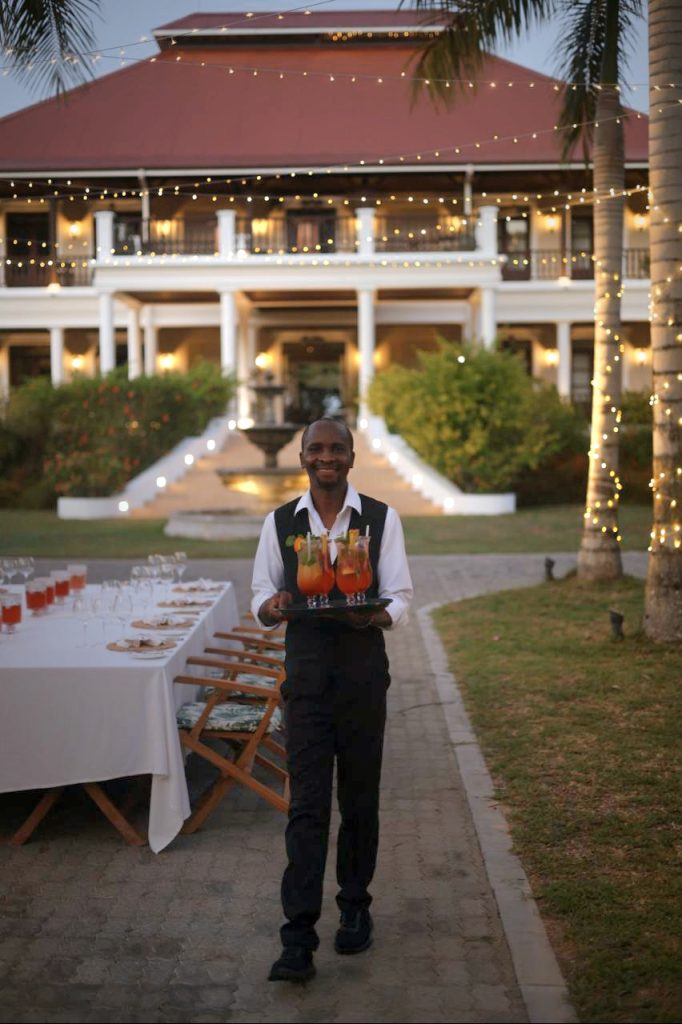
Evenings slipped into place without announcement. Dinner appeared in a different setting each night, never repeated, never over-explained. One evening the beach had been quietly claimed for a barbecue, something we’d watched being set up gradually throughout the day. Another night we ate by the pool. Another in the front garden. The final evening was under the palms lining the driveway, fairy lights strung overhead with a generosity that made it feel effortless once you arrived.
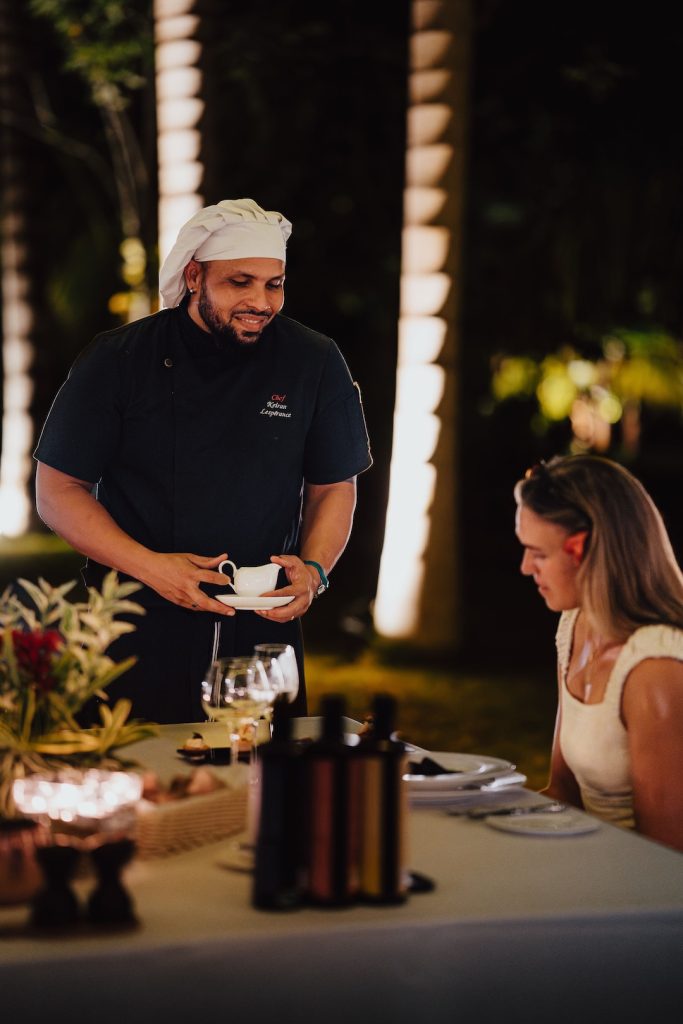
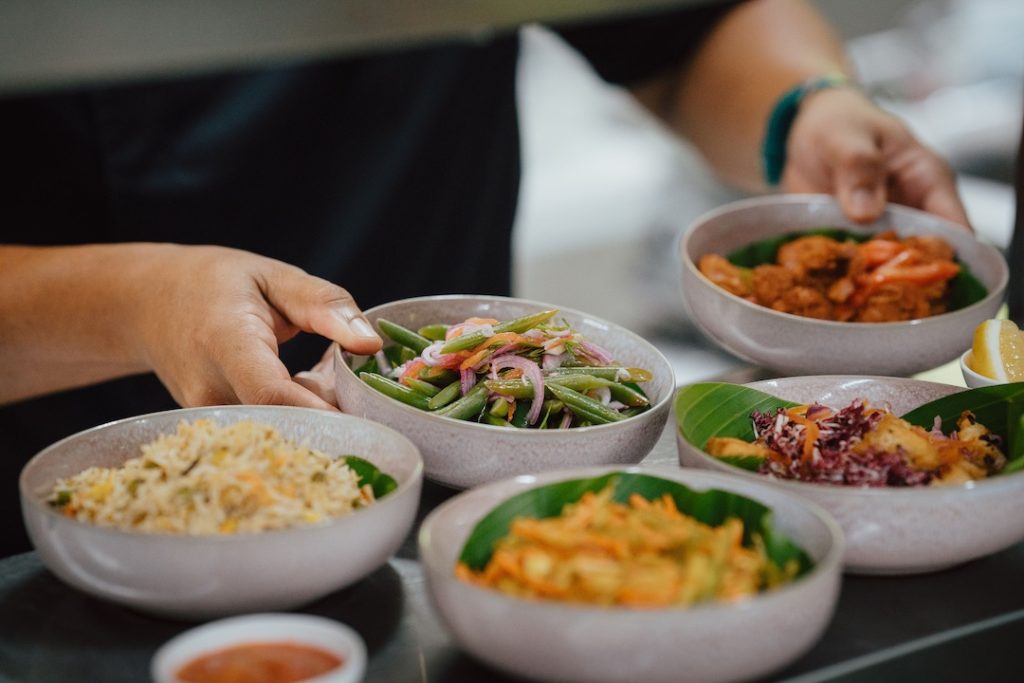
Food threaded through the days in much the same way. On arrival, we sat down with the chef and talked loosely about what we liked and didn’t like, but the Creole cooking that followed felt instinctively right: fresh fish, fragrant curries, generous flavours without heaviness. Later in the week, we cooked together – a relaxed Creole cooking session that unfolded naturally. I took charge of dessert: banana flambé. I was not, however, trusted with the actual flambé. The head chef stepped in – a wise decision, given I was already two piña coladas deep, courtesy of a head barman who seemed incapable of making a bad drink. Ciders appeared in between, naturally.
One night shifted more noticeably than the others. A fire was lit. Drums were brought out and warmed over the flames – not for show, but because the heat changes their sound. Moutya is music born here, slow and insistent, felt before it’s fully understood. People gathered slowly. Some danced. Some didn’t. No one was encouraged either way. The night held it for as long as it needed to, then let it go.
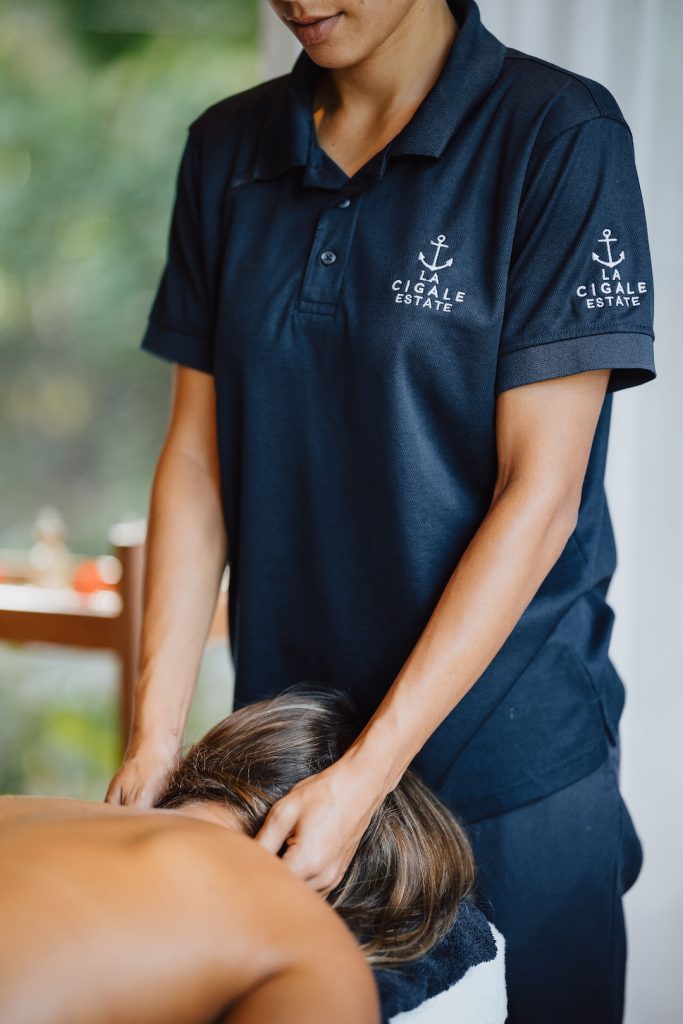
The days were full, but never crowded. We were among the first guests to experience the newly opened spa – massages that worked far more deeply than expected, time in the infrared sauna, and long stretches where nothing was required of you at all. The walk back to my room took less than a minute. The return to reality took longer.
By the end of the week, the shoes were still missing in action. Time had loosened its grip entirely, and my mind had become wonderfully free. I wasn’t measuring days or counting nights. Things happened when they happened, and somehow that was enough.
On the final morning, I stood on the veranda with a coffee and tried to remember when I’d last thought about being somewhere else. I couldn’t. The greens were still excessive, the blues still improbably blue, the sand still impossibly soft underfoot.
La Cigale didn’t try to persuade me of anything. It didn’t ask me to slow down or disconnect or reflect. It simply removed the obstacles that usually make those things necessary.
Somewhere along the way, my shoes disappeared. I never really went looking for them.