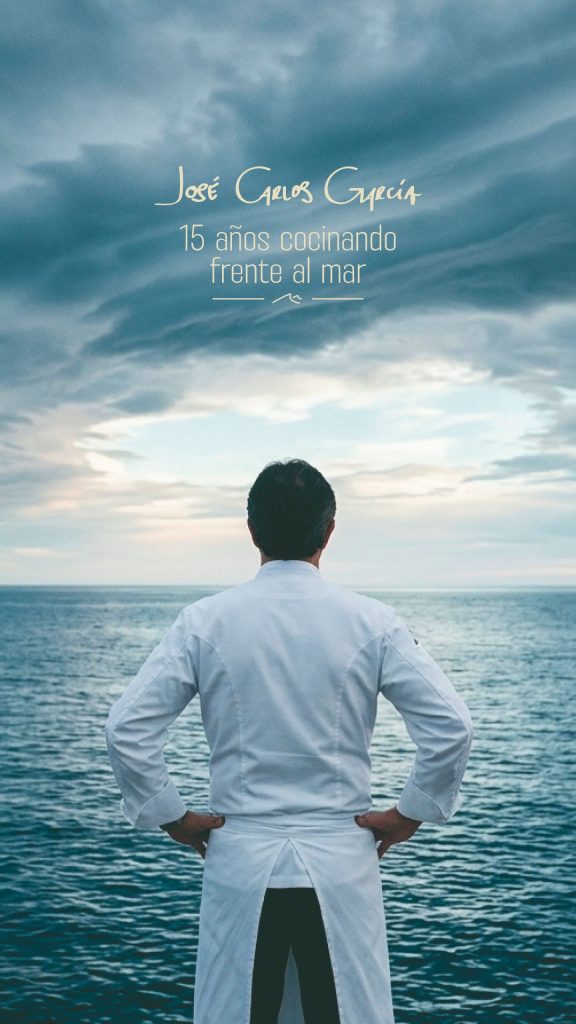
Fifteen years cooking facing the sea, this is Chef José Carlos García’s farewell to his striking Muelle Uno José Carlos García restaurant on Málaga’s contemporary marina quayside, where he and his team have cooked since 2011. The special, limited edition menu ’15 años cocinando frente al mar’ is available until the end of August 2026, before he moves home to Café de París, the family restaurant in La Malagueta where his award-winning culinary career began.
I have eaten in this dining room many times over the years. This time, it was to say goodbye, or as they say in Spanish, hasta luego. This is more of a see you later than a real goodbye, as guests can continue to enjoy Chef José Carlos García’s Andalusian gastronomy from the autumn in the remodelled Café de París restaurant in Málaga capital, just a few hundred metres from Muelle Uno.
Café de París, where it all began
Chef José Carlos García was born into the world of cooking and hospitality. His parents, Pepe García and Encarnación Ortiz, ran a churrería in a fishing village before opening Café de París, the smart La Malagueta restaurant where their son, the boy his father called Charlie, learned the business. José Carlos trained at La Cónsula, Málaga’s hotel school, cooked for Martín Berasategui, Joan Roca and Léa Linster, and came home in 2001 to take over the family kitchen. Within a year, Café de París had won the city of Málaga its first Michelin star.
Muelle Uno, on the city’s quayside
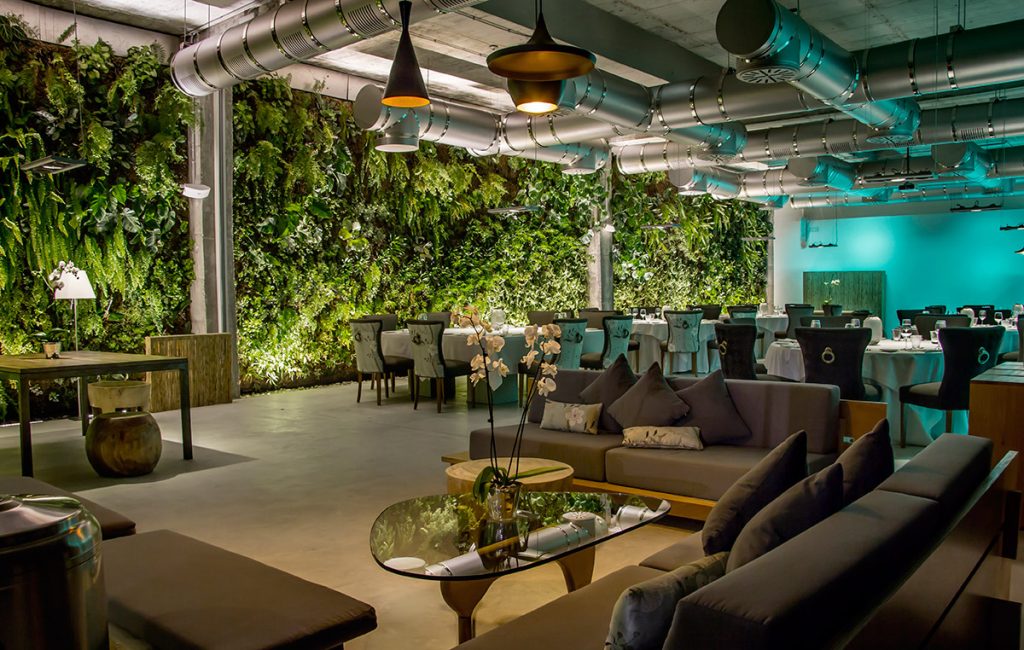
Fifteen years ago came the leap that defined his culinary career to date, taking him out of the family restaurant and onto the new Muelle Uno quayside, with his wife Lourdes Luque running the dining room. This was a time when Málaga was emerging as a national and international destination in its own right. The restaurant grew as Málaga did. The space has become iconic, with its main dining room featuring a huge vertical garden, with a more intimate space and terrace facing the water.
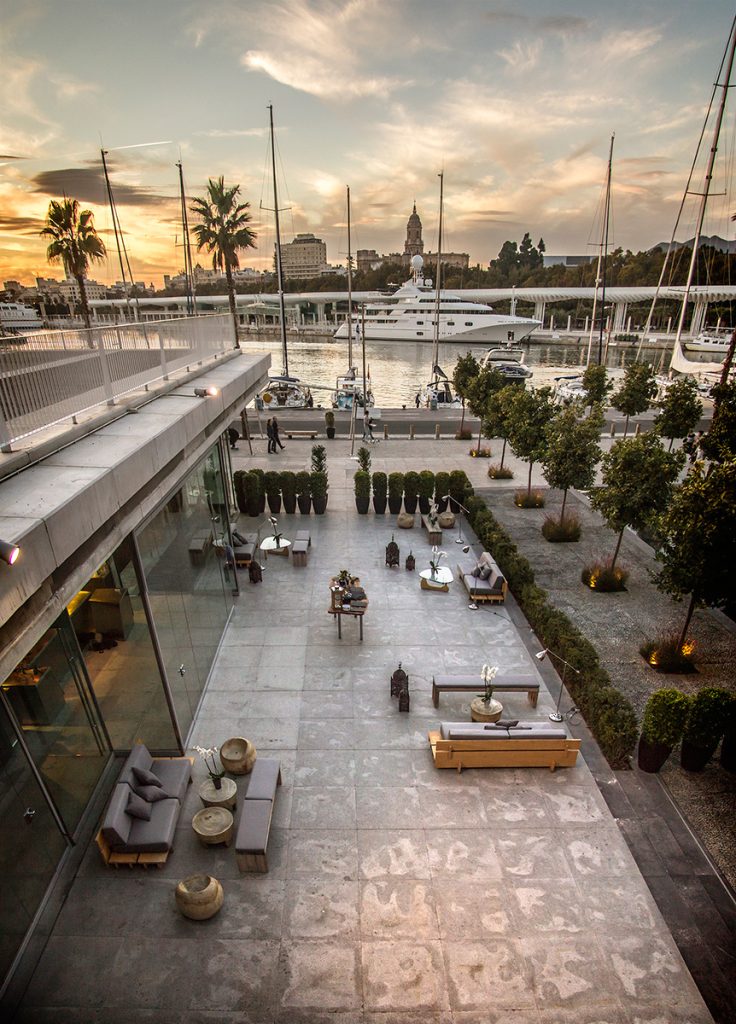
José Carlos García Restaurante at Café de París
Now the circle closes. Café de París, which has been closed since the pandemic, is being refurbished as the new home of José Carlos García Restaurante. The change will be interesting, as the restaurant is said to have around 160 square metres, whereas Muelle Uno stretches to nearly a thousand. The Michelin inspectors will judge the new address on its own terms, with the restaurant doors expected to open towards the end of the year.
Limited edition menu
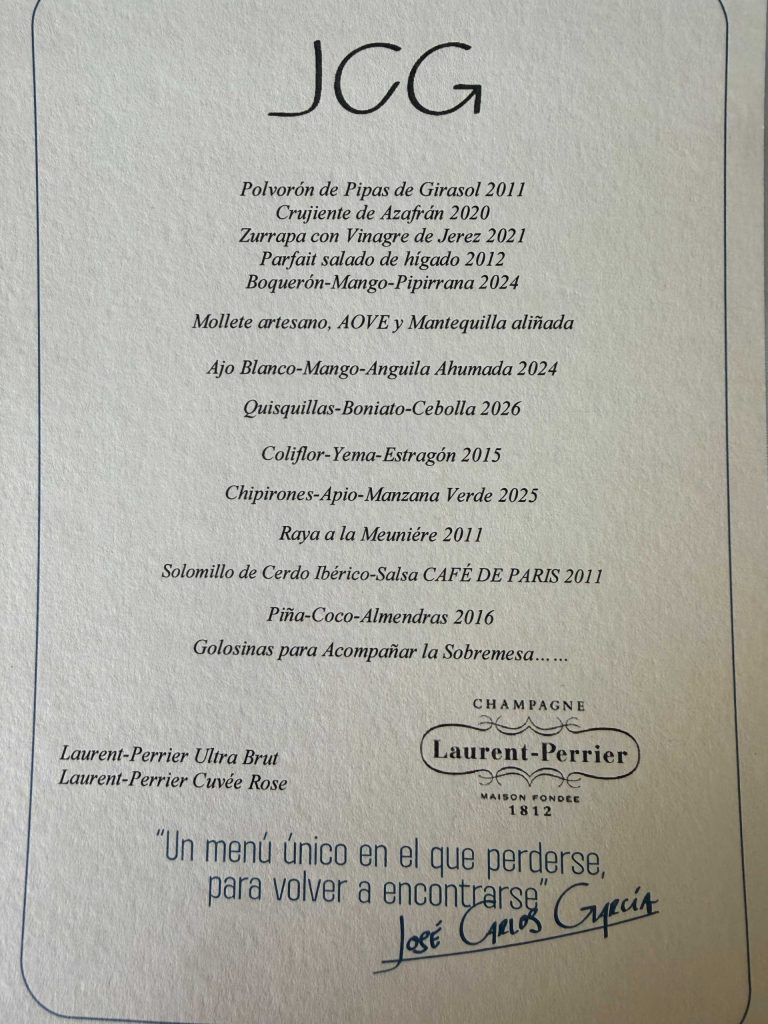
First, though, the heartfelt goodbye, one filled with emotion, gratitude and excitement. Through the summer the Muelle Uno kitchen is serving a retrospective, a refined tasting menu where every dish is dated like a vintage, and the card changes with the market. On my visit, a polvorón of sunflower seeds opened proceedings exactly as it did in 2011, whereas the quisquillas, caught that morning, were a 2026 dish, although there is a thread running through this menu. The seasoned butter with the warm mollete is his quiet nod to beurre Café de Paris, and the Ibérico pork sits on a Café de Paris sauce, dated 2011. A farewell menu that points to its new home. Laurent-Perrier was served throughout, as the restaurant is an ambassador for the maison.
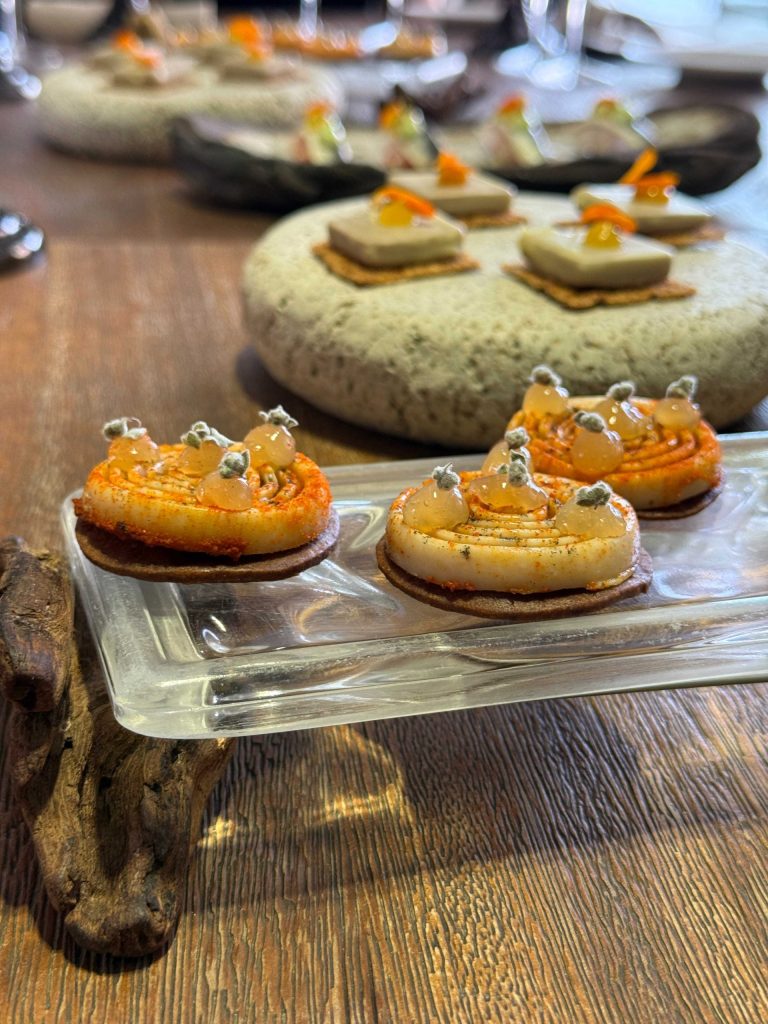
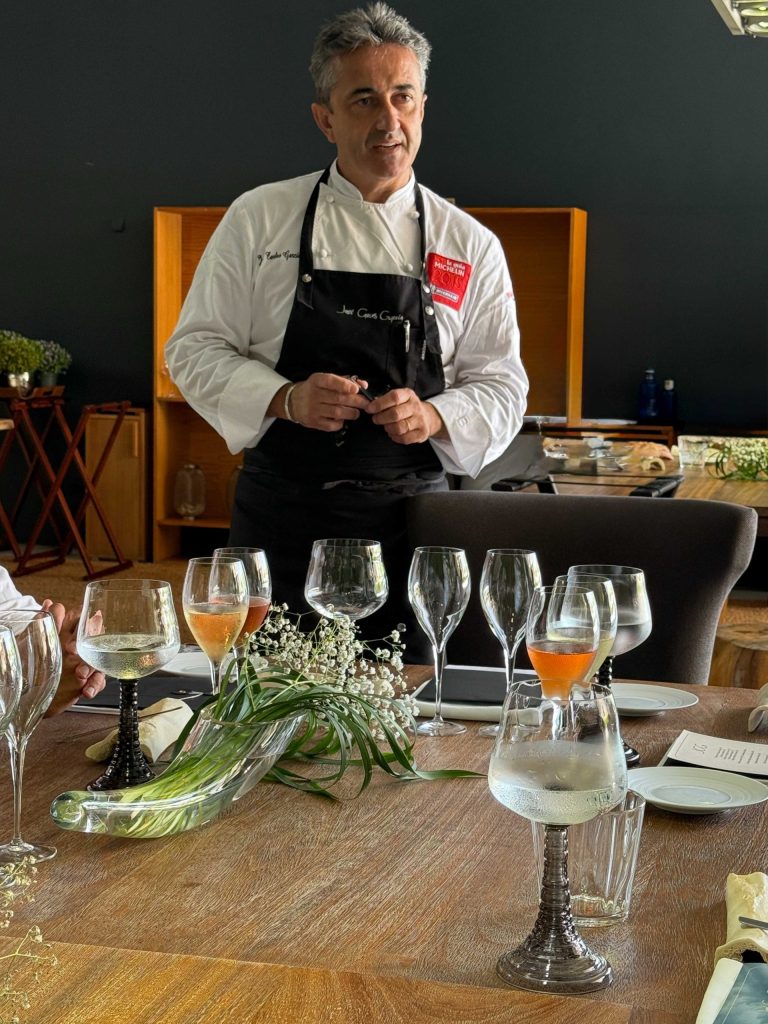
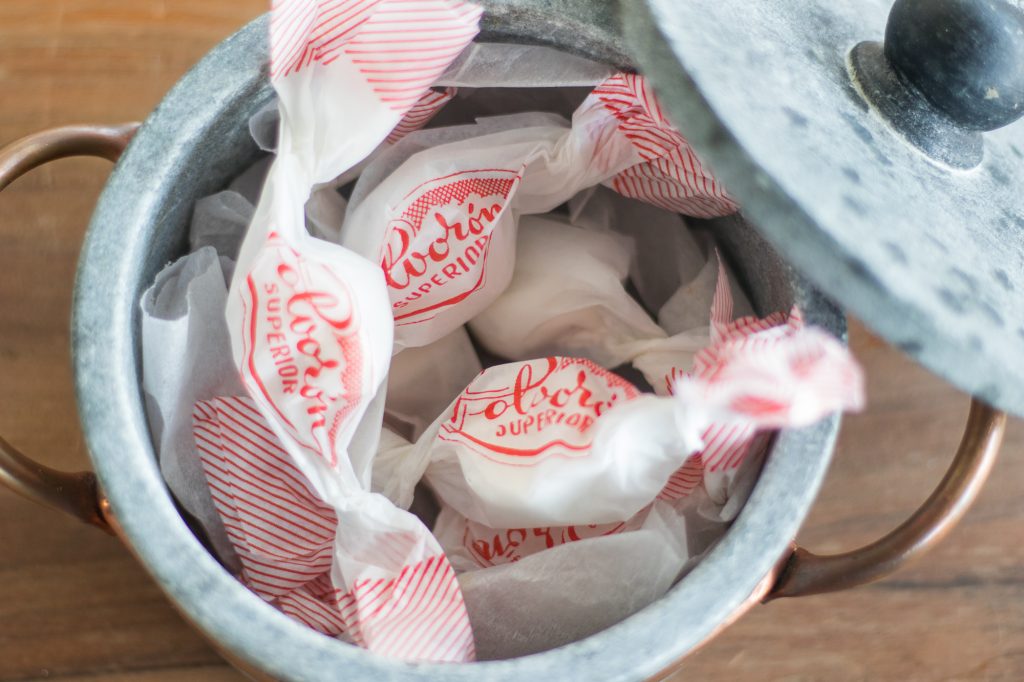
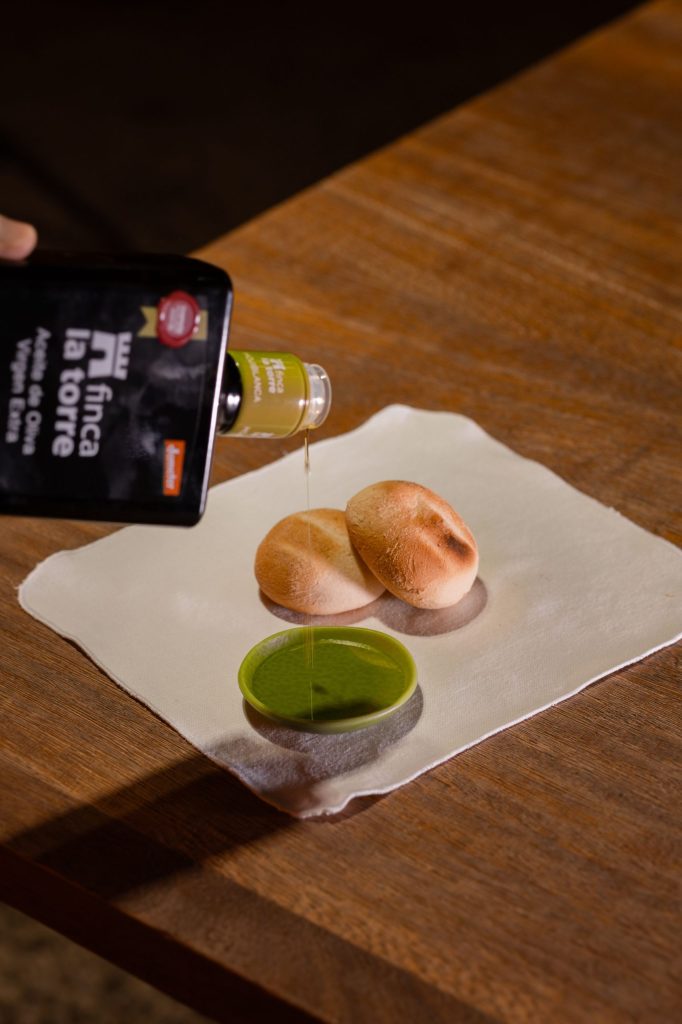
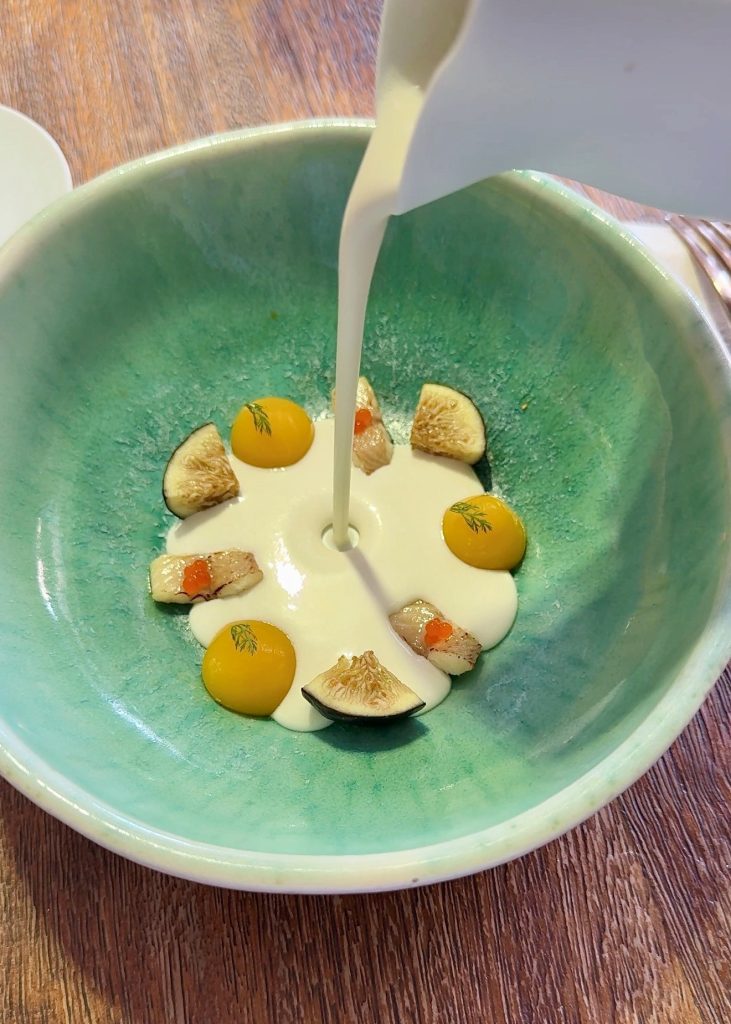
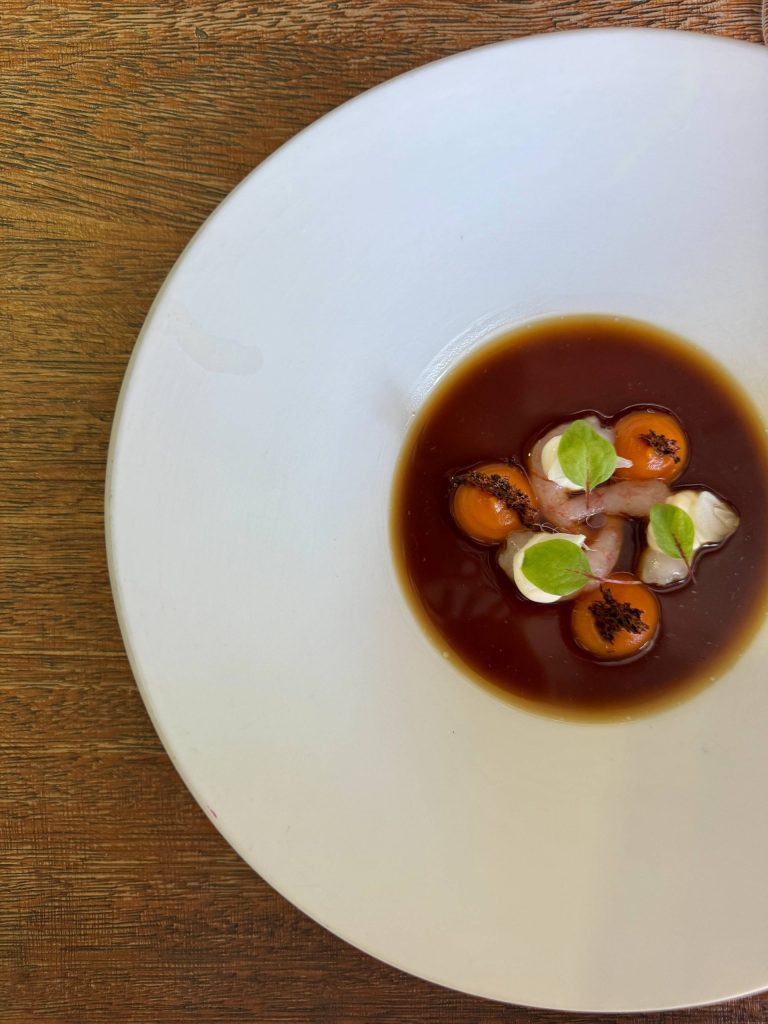
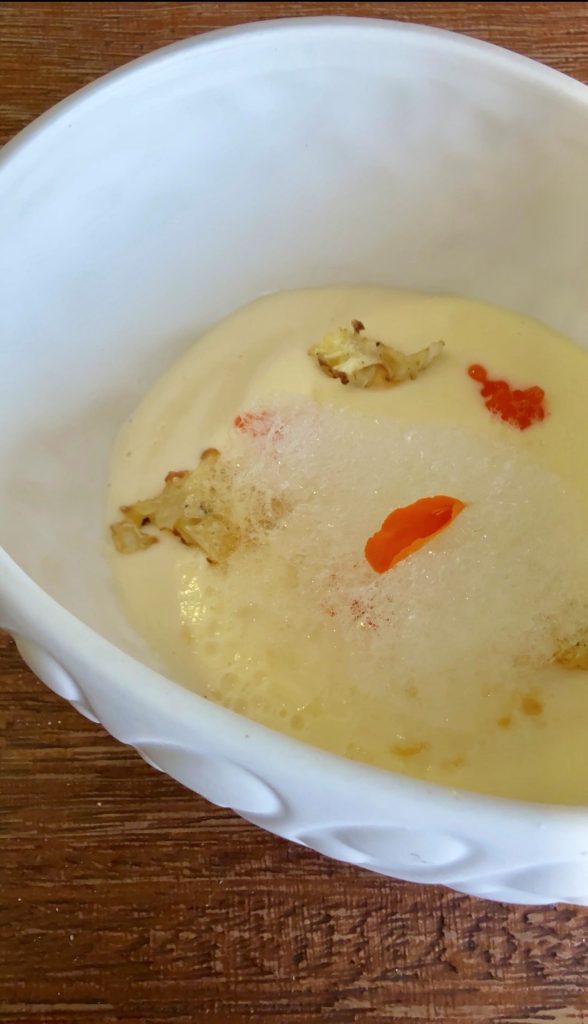
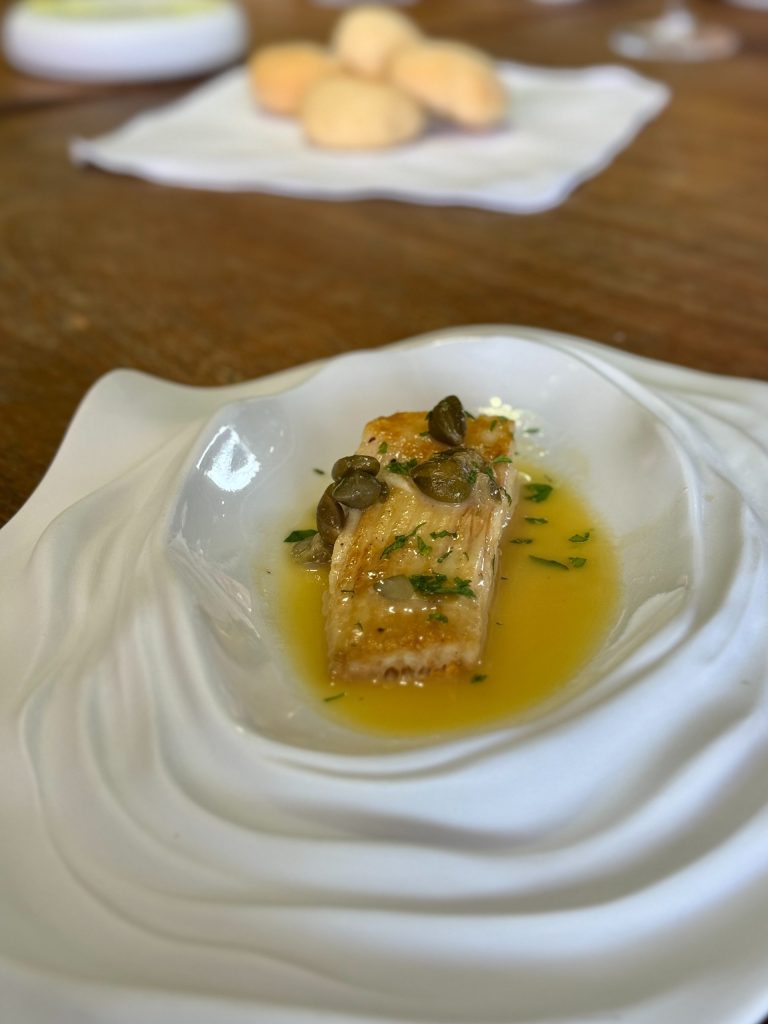
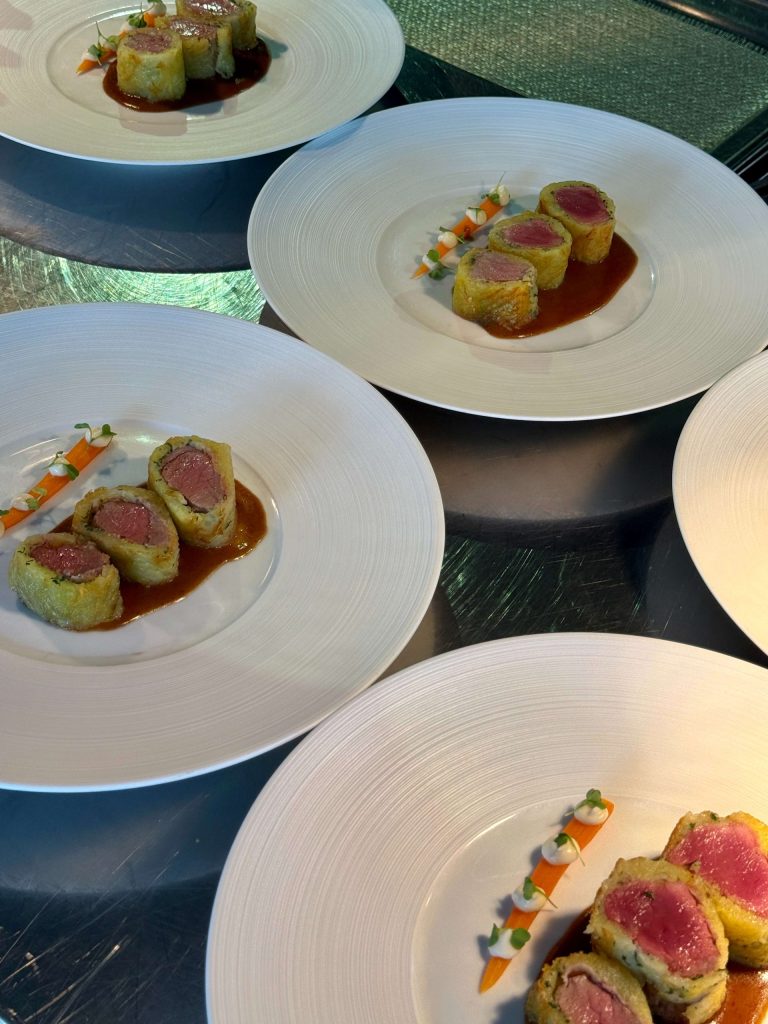
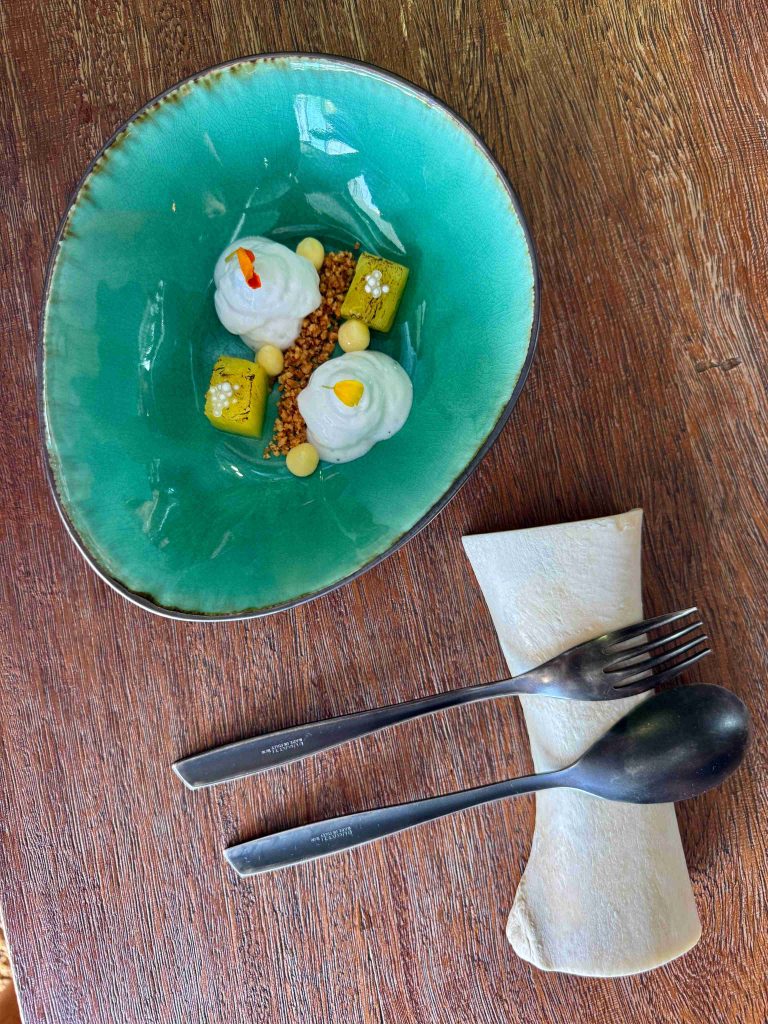
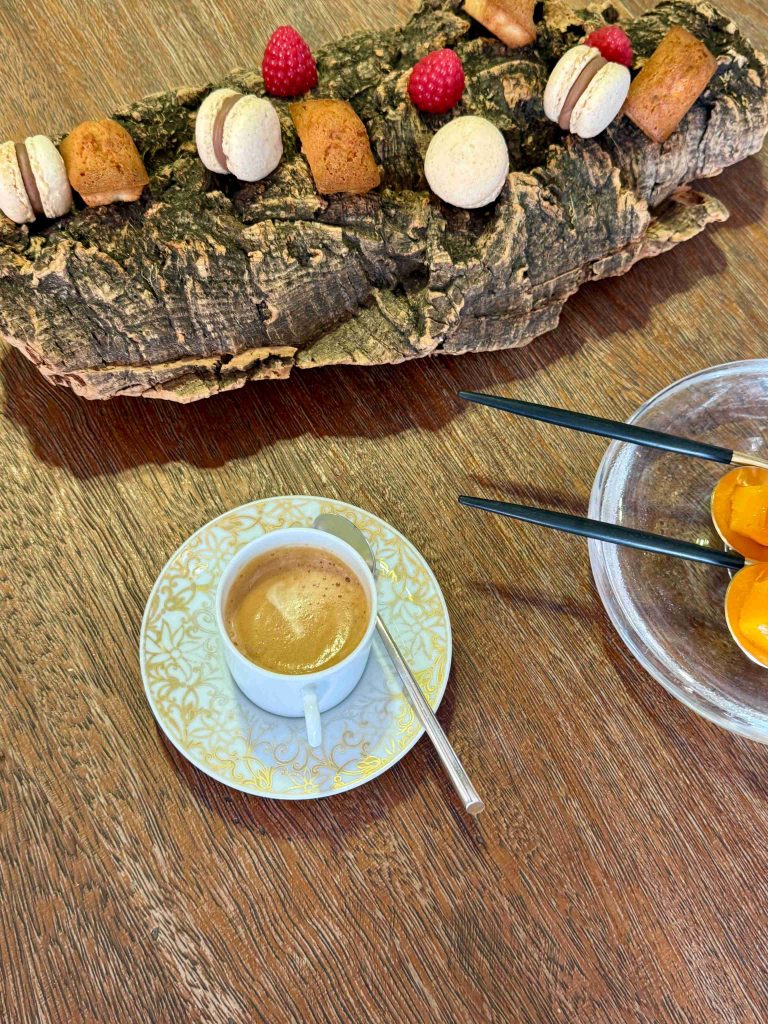
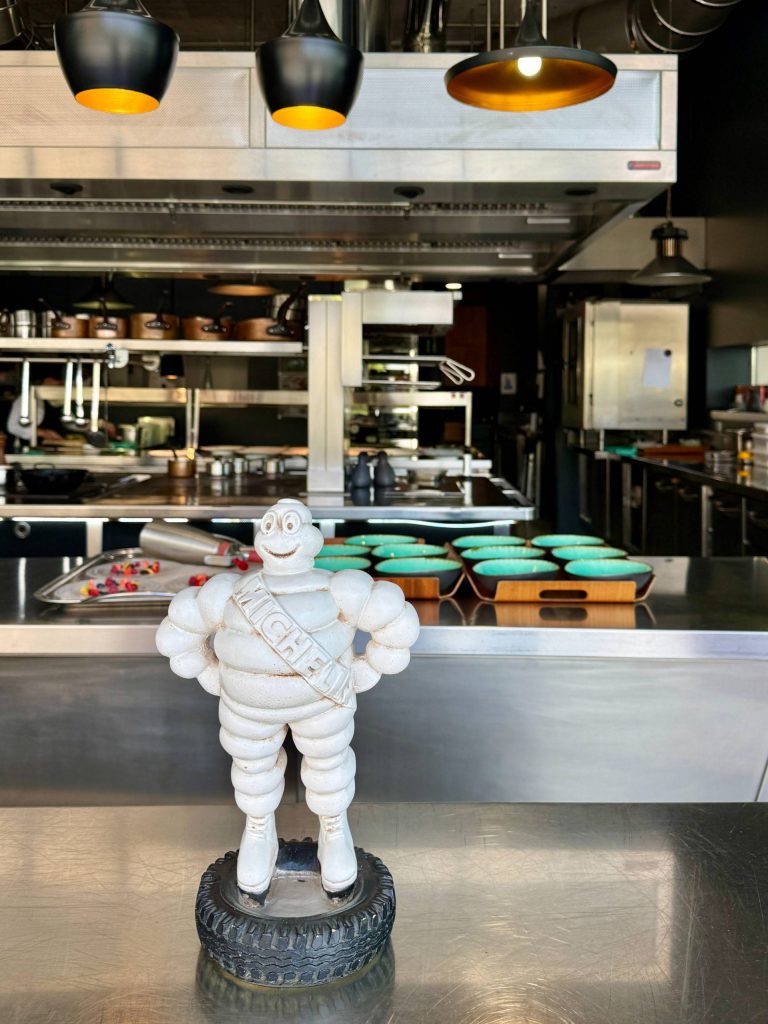
Before sitting down to this extraordinary lunch, I sat with Chef José Carlos García to capture his memories of the past 15 years.
When you prepared Raíces Andaluzas, the book you published in 2024, what recipe moved you most?
‘Without doubt, the ajoblanco. It seduced me because of the story tied to my home, to my parents, to the churrería where it all begins. We have made 84, maybe 85 versions of it. It still excites me.’
The book reads like the record of an era rather than a recipe collection. Was that deliberate?
‘It had a double intention. It gathered the work of 15 years alongside my parents, and almost another 15 alongside Lourdes. But above all it was the prelude to what happens now, leaving a record of everything done so far in order to begin a new stage. A double intention I never wanted to reveal until now.’
How do you choose a farewell menu from fifteen years of cooking?
‘It was difficult because we love them all. So we went to the ‘wow’ dishes. When a guest said wow, click, it went on a list, so we have a small archive of the dishes people really remarked on. But there are also dishes on the menu with more sentimental value, more history. And it keeps moving. Tuesday’s menu was different. For example, today we found a spectacular quisquilla, so we adapt. The idea, though, is that the people who savour it take away the same good memory we have.’
Does returning to Café de París feel like coming home, or starting from scratch?
‘Both. I came here to Muelle Uno full of hope, wanting to build the restaurant in a city that was opening to the world. I was a warrior then, the same as now. I wanted to make an impact. It is true I am going home, and I feel happy, I hope to radiate that happiness. But out of the respect I have for my profession, it is almost starting again. I know the house, I have known it since I was small, but now I need to make my team and my guests fall in love with the place too. As a Chef you have to earn that trust again.’
Will this new chapter change how you cook?
‘People want to enjoy gastronomy, but maybe they are not interested in my gastronomic discourse. Maybe what interests them is being with me, being in my restaurant, being calm, enjoying the courses. But yes, it will change. I want to listen. I will have the chance to be closer to the guest, the chance not to get distracted, because at this scale it is a big business. There were days I could not meet each guest and sense what they really fancied. So in Café de París I think there will be days you want three hours at the table, and days you want one traditional dish, and I hope to offer you that choice. But we will tell that story further ahead.’
Which Andalusian ingredients deserve more attention?
‘The tomato has its moment, but it is very seasonal and has become almost overrated through sheer popularity. The countryside has real potential. When I talk about an aubergine, a courgette, the mushrooms of the Serranía de Ronda, these are products we still have not got the best out of. I feel very comfortable with them because I have direct contact with the producers.’
You have talked for years about tradition with a touch of rock and roll. What does it mean today?
‘I always tell the same story. Nearly 30 years ago I decided to make my parents’ ajoblanco, which they never made with a measured recipe. So I found the exact measures, and then the madness occurred to me of adding a granizado of red wine with vanilla and cinnamon. That was me expressing what I feel. This is my rock and roll, my irreverent side. There is a lobster we make now with a pepper roasted until it is almost carbonised, very heavy, very rock and roll, and when you eat it, such gentleness. One has to be polite and well mannered, but we also have irreverent moments. And I do in the kitchen too.’
Looking back over the fifteen years, what are you proudest of?
‘I took part in the leap this city has made, which might have felt like madness at the time. I turned down so many places I could have gone, and I bet on my city, and that opened a path. Málaga has been a destination for celebrating success, and we were the hosts. We did the city’s great events, with quality, and the odd failure too, as you do. I am proud to have been part of that explosion of success for Málaga. What stays with me is that I do not know who will take my place here, and I would love there to be a successor, for this space to be kept the way we dreamed it.’
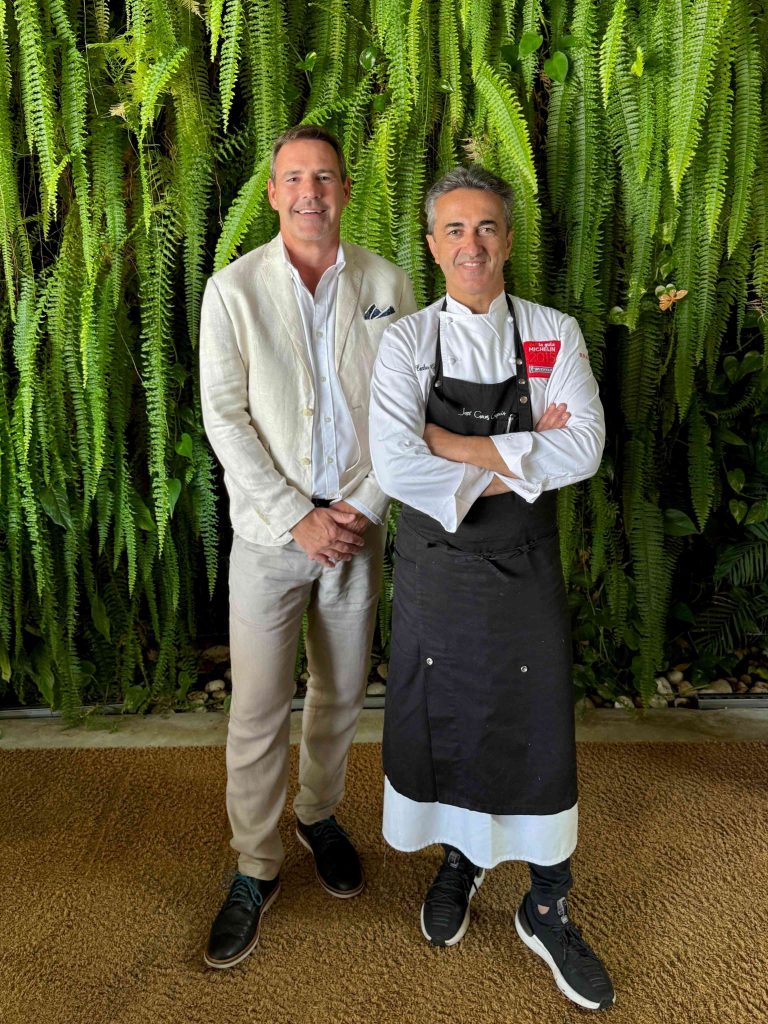
Lourdes Luque is an integral part of the success of José Carlos García Restaurante, running the dining room and the wine list, and the powerhouse behind the restaurant’s events. It was a pleasure to talk with her too.
How have guests changed in fifteen years?
‘More than demanding, it is personalised. Guests need more contact now, something more made to measure,’ explained Lourdes. She continued, ‘Some come to eat and need you completely present. Others want to be left alone, and you have to read people, so they have the experience they really want. The range of guests is far wider than it was. Many younger guests are enjoying the dining now too.’
What is it like running a dining room with an ever-changing menu?
‘That is the process of working with José Carlos. Nothing can stay fixed, because it changes continuously depending on what he sources from the fishermen and producers. The wine we adapt the same day to the produce that has come in. Everywhere else you set a pairing and it stays for a season. Here we set it, but then sometimes he changes it. You get used to it. As long as we keep communicating, we manage very well.’
And the new dining room at Café de París?
‘It will be the same kitchen, everything the same, but in a space smaller and much more intimate. More familiar. Closer to the idea of home.’
It was a privilege to be part of this farewell to the Muelle Uno restaurant. The card for the ’15 años cocinando frente al mar’ menu, which each guest carries away, says it best, with the motto ‘Un menú único en el que perderse, para volver a encontrarse.’ A unique menu to lose yourself in, only to find yourself again.
When Café de París reopens in La Malagueta towards the end of the year, I hope to make the short walk there and rediscover José Carlos García Restaurante.
’15 años cocinando frente al mar’ is served at José Carlos García Restaurante, Plaza de la Capilla, Muelle Uno, Puerto de Málaga, until the end of August 2026.
Contact Details
Address: José́ Carlos García Restaurante, Puerto de Málaga, Plaza de la Capilla, 1, 29016 Málaga
Website: https://www.restaurantejcg.com/
The Luxury Editor attended as a guest of José Carlos García Restaurante.
The post Chef José Carlos García. Fifteen Years Cooking Facing the Sea appeared first on The Luxury Editor.